
Healthy Homemade Dog Food...
Helping Your Dog Live Longer, One Meal at a Time
Download Your FREE Dog Longevity Guide...
Simply Enter Your Info Below
HOW WE HELP YOUR DOG LIVE LONGER
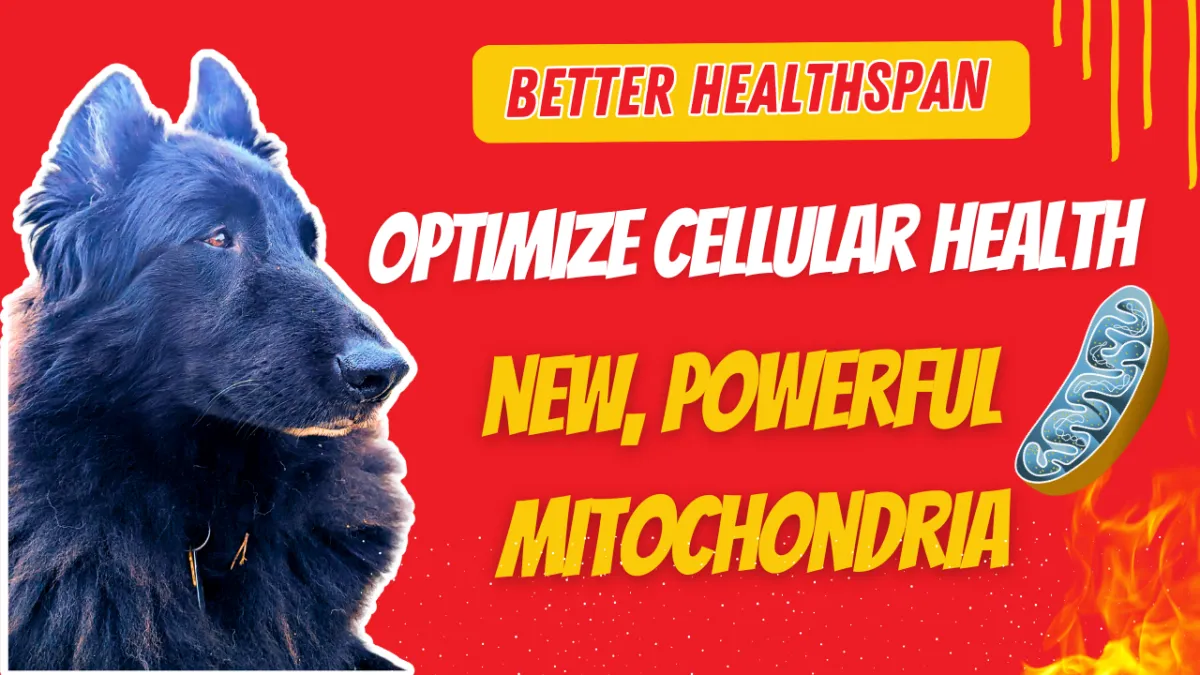
🦮 Reverse Ageing at a Cellular Level for a Longer, Happier Life 🦮
Simple diet, supplement, and at-home methods to re-program your pup's stem cell production, and help them produce new, young, strong mitochondria. Click Here to Help Your Adult or Senior Dog Live Longer

END the Cycle That Causes Stiff Joints, Chronic Disease...
We start in their bowl, and work our way inside to slam the door shut on the horrible, internal cycle that can age your dog prematurely, and even shorten their life. Check Out Our Articles - Click Here
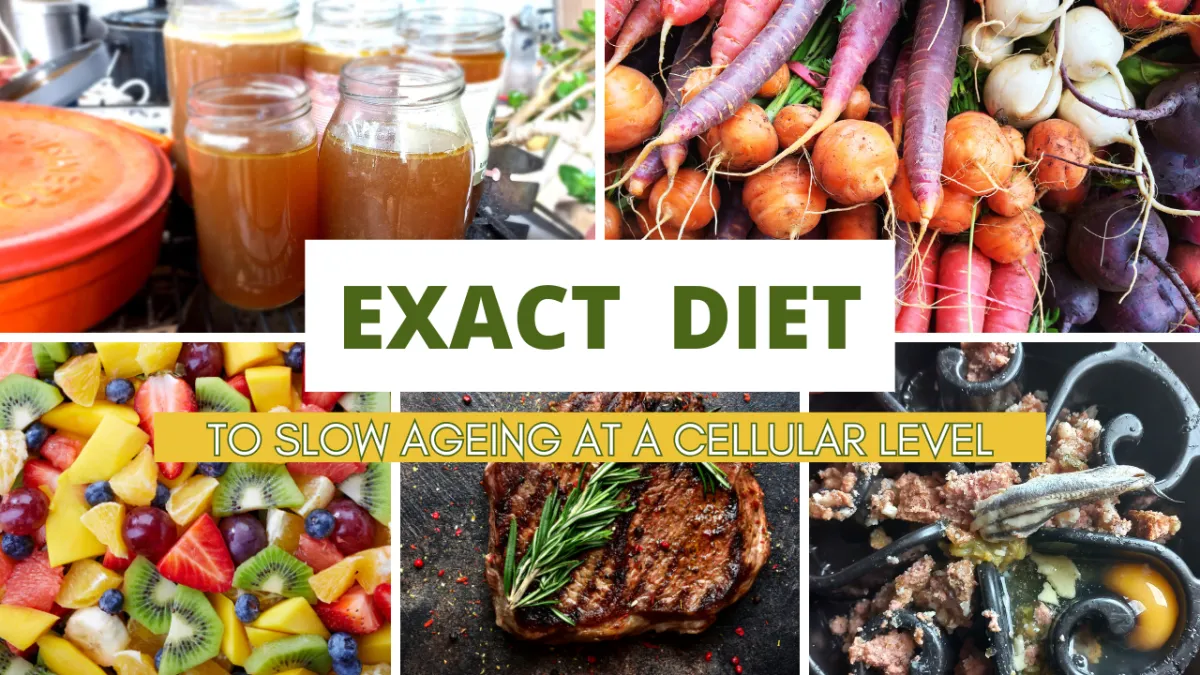
🥩 What to Eat, EXACTLY How Much
Learn exactly how much food, which foods to feed them, and which food-supplements can help them improve both their health span and their lifespan!
Need to feed kibble? Don't worry, we'll show you how to dramatically improve it... for almost no-cost.
Get Your FREE Guide - Click Here
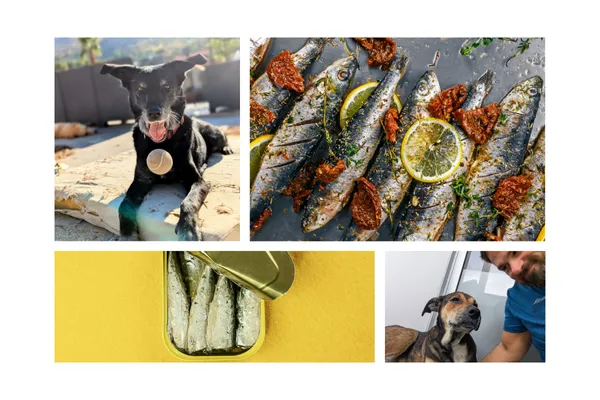
Sardines for Senior Dogs: The Tiny Superfood With Massive Benefits
Are Sardines Good for Dogs? Should Your Adult or Senior Dog Be Eating Sardines?
When it comes to senior-dog nutrition, few foods punch above their weight the way sardines do. They’re inexpensive, easy to use, rich in critical nutrients, and—best of all—most dogs absolutely love them.
But sardines aren’t just a tasty topper. They bring four major benefits that can meaningfully improve your dog’s immunity, joint health, brain function, longevity, and overall vitality.
In this guide, we’ll break down the four biggest reasons sardines belong in every senior dog’s diet, the science behind those benefits, and the one food you should always pair with them to maximise results.
Let’s dive into why these tiny fish are one of the most powerful superfoods you can add to your dog’s bowl.
Sardines for Senior Dogs: The Tiny Superfood With Massive Benefits (Table of Contents)
Are Sardines Good for Dogs? Should Your Adult or Senior Dog Be Eating Sardines?
1. Bioavailable Protein: Fuel Your Dog’s Immune System & Longevity
L-Lysine: The immune-boosting amino acid senior dogs absolutely need
Why this matters for senior dogs
2. High Calcium Content: Critical Bone & Joint Support for Older Dogs
Where does the calcium come from?
For home-cooked diets, sardines are a calcium superstar
3. Nearly Mercury-Free Omega-3s: Brain, Joint & Heart Protection
Why sardines are the “cleanest” fish for omega-3s
The omega-3s that matter most: EPA & DHA
🤓 Nerd Alert: Why omega-3s matter more as your dog ages
4. Sardines as a Potent Anti-Inflammatory (The Most Important Benefit)
The One Food You Must Pair With Sardines: Bone Broth
Benefits of combining sardines with bone broth
🤓 Nerd Alert 2: Why collagen is essential for senior dogs
How Often Should You Feed Sardines to a Senior Dog?
1. Can dogs eat sardines every day?
2. Are sardines safe for dogs with kidney disease (CKD)?
4. Do I need to worry about the bones?
5. Can puppies also eat sardines?
6. Will sardines make my dog gain weight?
7. What’s the best way to store sardines?
Final Thoughts: A Tiny Fish That Supports a Longer, Healthier Life
1. Bioavailable Protein: Fuel Your Dog’s Immune System & Longevity
The first major benefit of sardines is their extremely high-quality, highly bioavailable protein.
Why bioavailability matters
Bioavailability refers to how much of a nutrient your dog’s body can actually use.
A large percentage of the protein in commercial kibble—especially lower-quality kibble—is poorly absorbed, and used, by the body. Fillers, processed grains, and low-grade meat meals make it very difficult for a dog’s digestive system to extract full nutritional value.
Sardines, on the other hand, offer protein that is:
🐟 Highly digestible
💪 Rich in essential amino acids
🧬 Biologically complete
⚡ Easily absorbed and used by the body
This means your senior dog gets more bang for every bite.
L-Lysine: The immune-boosting amino acid senior dogs absolutely need
One standout amino acid in sardines is L-lysine—an essential amino acid that dogs cannot produce on their own.
L-lysine is vital for:
🛡️ Producing antibodies
⚙️ Creating hormones and enzymes that regulate immune function
🔧 Supporting tissue repair and muscle maintenance
Why this matters for senior dogs
As dogs age, the immune system naturally becomes less efficient—a process often referred to as immunosenescence. This increases vulnerability to:
Chronic inflammation
Infections
Degenerative diseases
Cancer
Giving senior dogs L-lysine-rich foods like sardines helps drive stronger and more stable immune function—directly affecting both lifespan and healthspan (the years lived in good health, not just the years lived).
2. High Calcium Content: Critical Bone & Joint Support for Older Dogs
Many people are surprised to learn that sardines contain more calcium than a glass of milk—and the form of calcium they contain is far more bioavailable for dogs.
Where does the calcium come from?
When sardines are canned or lightly cooked, their tiny bones soften into a mushy, safe texture that dogs can easily eat. Those bones are loaded with:
🦴 Highly usable calcium
🧂 Magnesium
⚙️ Phosphorus
💎 Trace minerals
🦴 Bone marrow
All of these minerals work together to support:
Healthy bone density
Joint strength
Nerve and muscle function
Heart health
This is incredibly important for senior dogs, as calcium needs actually increase with age—especially for dogs eating home-cooked diets.

For home-cooked diets, sardines are a calcium superstar
Home-cooking (or raw, BARF, etc.) is fantastic for nutrition, but the most common mistake people make is not adding enough calcium.
Dogs need significantly more calcium than humans, and deficiencies can lead to:
Weak bones
Muscle tremors
Heart irregularities
Dental issues
Joint deterioration
Adding sardines several times a week delivers a natural, bioavailable source of calcium that supports mobility and long-term independence—something every senior dog deserves.
Note: you will still need to add in a calcium supplement, or egg shell powder, to satisfy your dog's calcium needs... but sardines help add highly bioavailable extra calcium to their bowl.
3. Nearly Mercury-Free Omega-3s: Brain, Joint & Heart Protection
Omega-3 fatty acids are among the most studied nutrients in veterinary health, and sardines are one of the safest and richest whole-food sources available.
Why sardines are the “cleanest” fish for omega-3s
Because sardines:
🐟 Are small
🕒 Have short lifespans
🧹 Are low on the food chain
🌊 Don’t accumulate heavy metals
…they contain practically zero mercury compared to larger fish like tuna, mackerel, or swordfish. That makes them incredibly safe for daily or near-daily feeding.
The omega-3s that matter most: EPA & DHA
A 100g (about 3.5 oz for the Yanks) serving provides roughly0.4-0.5g EPA and 0.5g DHA, totaling around1 gram or more of combined Omega-3s
These two omega-3s support:
🧠 Brain health & cognitive sharpness
🦴 Joint mobility & anti-inflammatory protection
❤️ Heart health
🔬 Cellular repair
🩺 Reduced risk of chronic disease

🤓 Nerd Alert: Why omega-3s matter more as your dog ages
Aging increases oxidative stress and chronic inflammation—both of which accelerate joint wear, cognitive decline, and metabolic disorders.
Omega-3 fatty acids help slow this process by:
Reducing inflammatory cytokines
Stabilising cell membranes
Supporting neural tissue
Promoting healthier gut bacteria
Improving nutrient delivery throughout the body
This is why omega-3s are strongly correlated with longevity and improved mobility in senior dogs.
4. Sardines as a Potent Anti-Inflammatory (The Most Important Benefit)
Inflammation is at the root of nearly every age-related disease in dogs. In fact, researchers often use the term:
“Inflammaging”
—meaning: aging accelerated by chronic inflammation.
When inflammation is high, dogs experience:
Joint pain
Slower movement
Digestive upset
Cognitive decline
Skin problems
Increased cancer risk
Heart and liver stress
Sardines help fight this on multiple fronts:
🐟 High-quality protein reduces gut stress
💥 Omega-3s reduce inflammatory markers
🔧 L-lysine supports immune regulation
🧬 Amino acids help repair tissues
⚙️ Calcium supports joint resilience
This combination makes sardines one of the most complete anti-inflammatory foods available for dogs.
When senior dogs manage inflammation well, they can:
Walk longer
Run more freely
Stay mentally sharp
Maintain muscle mass - MEGA important as dogs age
Recover faster
Enjoy a higher quality of life
Help enjoy a longer life
The One Food You Must Pair With Sardines: Bone Broth
The final piece of the puzzle—and the secret to maximising the benefits of sardines—is pairing them with homemade bone broth.
Why?
Because L-lysine—the amino acid in sardines—helps your dog produce collagen.
Bone broth is already full of:
Collagen
Gelatin
Minerals like magnesium, potassium, zinc, and more
Amino acids
Glycine
Glucosamine
Chondroitin
Together, sardines + bone broth create a joint-nourishing, gut-healing, inflammation-fighting powerhouse.
Benefits of combining sardines with bone broth
🦴 Stronger joints
🧠 Better brain health
🩹 Faster tissue repair
🐕 Improved mobility
💪 Optimised muscle maintenance
🌿 Reduced inflammation
🦠 Stronger gut lining
Most senior dogs do exceptionally well with:
🐕 50–100 ml per day for medium dogs
🐕 100–150 ml per day for large dogs
You can freeze broth in cubes in the heat, or serve it as part of your. pup's warm meals.
If you need to feed commercial dog food, broth is the best topper.
🤓 Nerd Alert 2: Why collagen is essential for senior dogs
Collagen makes up roughly:
90% of your dog’s tendons
70% of their skin
30% of their bones
After age 7–8, dogs produce significantly less collagen naturally, which is why joint issues, stiffness, and digestive problems begin to show up.
Pairing sardines + bone broth helps slow this decline.
Note: collage may also play a huge supportive role in the production of new, better stem cells.
How Often Should You Feed Sardines to a Senior Dog?
Most dogs do extremely well with:
🐟 1–3 sardines per meal every a few days per week
🐟 3 - 20g a few times per month
Use unsalted, water-packed sardines whenever possible.
For dogs on kibble, sardines serve as an instant upgrade. If they're packed in olive oil, use that as a topper as well.
For dogs on home-cooked diets, they help balance calcium, protein quality, and essential fats.
FAQ: Sardines for Senior Dogs
1. Can dogs eat sardines every day?
Yes—most dogs can safely eat sardines daily as long as portions are appropriate. Rotate with other foods as needed. They have a low mercury risk, but you might still want to rotate them out of your dog's diet for a few weeks ever few months.
2. Are sardines safe for dogs with kidney disease (CKD)?
Avoid them in this case. Sardines are high in phosphorous. Replace them with a high quality EPA/DHA omega 3 oil.
3. Are canned sardines okay?
Yes—as long as they are packed in water or olive oil, with no salt added.
Avoid sardines packed in:
Tomato sauce
Canola, vegetable, corn, or any other seed oil
Salt brine
Seasonings
4. Do I need to worry about the bones?
No—canned sardines have soft, fully edible bones that are extremely safe and add valuable minerals.
5. Can puppies also eat sardines?
Absolutely. Sardines help puppies develop stronger bones, joints, skin, and neural tissue. Just adjust portions for size.
6. Will sardines make my dog gain weight?
No. Most dogs would need to eat KILOS of sardines to gain fat.
7. What’s the best way to store sardines?
After opening, refrigerate them in an airtight container for up to 3 days.
You can also freeze them for 1–2 months.
Fresh sardines are great too, but they will spoil quickly, so use them fast.
Final Thoughts: A Tiny Fish That Supports a Longer, Healthier Life
Sardines are one of the simplest, most powerful additions you can make to your senior dog’s diet. They provide:
🐟 Highly bioavailable protein
🛡️ Immune-boosting amino acids
🦴 Powerful bone and joint support
🧠 Omega-3s that protect the brain and heart
💥 Major anti-inflammatory benefits
And when paired with bone broth, they become a complete, longevity-focused, joint-supportive upgrade that helps senior dogs stay active, energetic, and mentally sharp well into their later years.
If you want your dog to live longer and live better, this is one of the easiest and most affordable ways to start.



Contact
Navigation
Reach out!
©2026 . All Rights Reserved | Privacy Policy