
Healthy Homemade Dog Food...
Helping Your Dog Live Longer, One Meal at a Time
Download Your FREE Dog Longevity Guide...
Simply Enter Your Info Below
HOW WE HELP YOUR DOG LIVE LONGER

🦮 Reverse Ageing at a Cellular Level for a Longer, Happier Life 🦮
Simple diet, supplement, and at-home methods to re-program your pup's stem cell production, and help them produce new, young, strong mitochondria. Click Here to Help Your Adult or Senior Dog Live Longer

END the Cycle That Causes Stiff Joints, Chronic Disease...
We start in their bowl, and work our way inside to slam the door shut on the horrible, internal cycle that can age your dog prematurely, and even shorten their life. Check Out Our Articles - Click Here
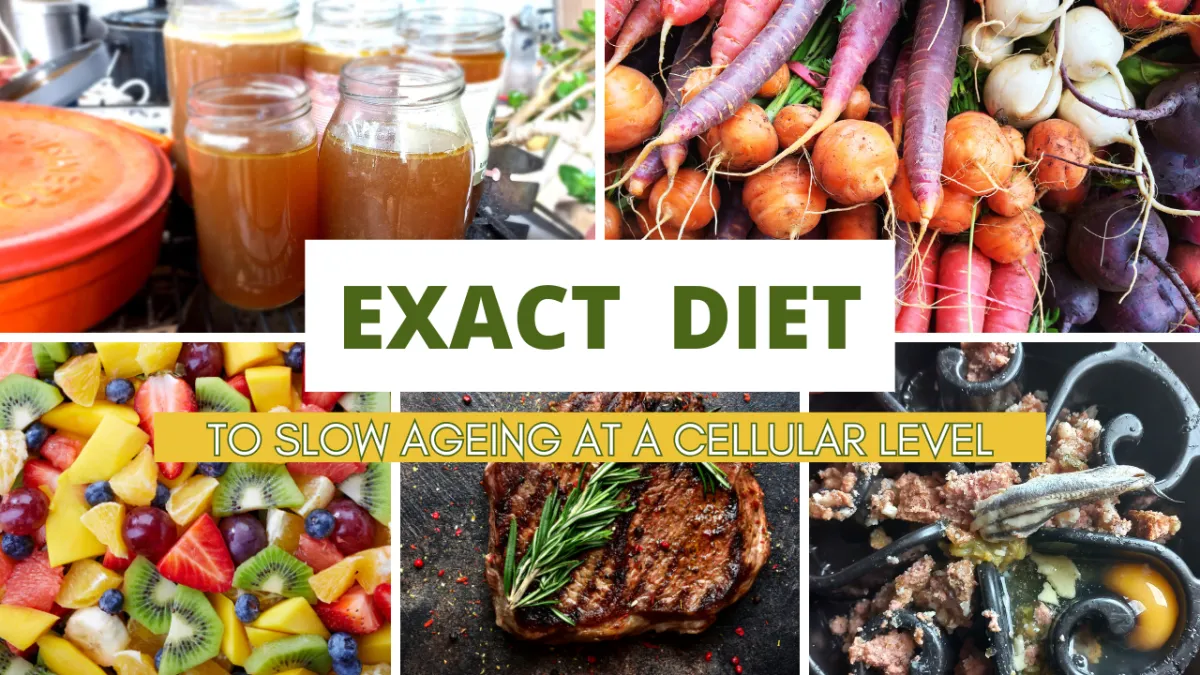
🥩 What to Eat, EXACTLY How Much
Learn exactly how much food, which foods to feed them, and which food-supplements can help them improve both their health span and their lifespan!
Need to feed kibble? Don't worry, we'll show you how to dramatically improve it... for almost no-cost.
Get Your FREE Guide - Click Here
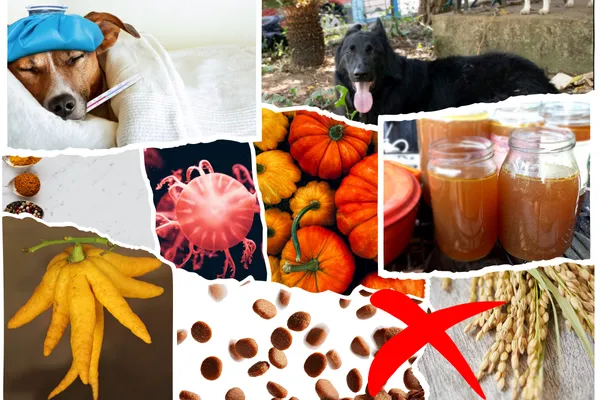
My Dog Has a Belly Ache and Won’t Eat — What Should I Feed Them?
What to Feed a Dog With an Upset Stomach: The Complete Guide + Easy Homemade Recipe
When your dog is dealing with vomiting, diarrhea, bloating, or simply showing no interest in food, it’s stressful — for both of you. An upset stomach is one of the most common issues dog parents face, yet most people scramble for answers when it happens.
Today we’ll walk through:
✔️ Exactly what to feed your dog during a stomach upset
✔️ What not to feed
✔️ Why rest is often the first step
✔️ A gentle, gut-healing homemade recipe
✔️ Science-backed ingredients that support digestion and recovery for sick dogs
✔️ A full FAQ from real-world dog parents
By the end, you’ll have a simple plan to help your dog recover safely and quickly.
My Dog Has a Belly Ache and Won’t Eat — What Should I Feed Them? (Table of Contents)
What to Feed a Dog With an Upset Stomach: The Complete Guide + Easy Homemade Recipe
First Things First: Let Their Belly Rest
Danger Signs - When You MUST Skip a Meal and Call the Vet
Story Time About the Worst Dog in the Galaxy
The Best Homemade Food for Dogs With Upset Stomachs
1. Start With Liquids: Bone Broth for Hydration & Healing
2. Add a Lean, Low-Fat Protein (Critical Step!)
3. Say Goodbye to Rice — Use Pumpkin Instead
Problems with rice during GI upset:
4. Add Probiotics to Rebuild Gut Health
5. Include Digestive Enzymes for Faster Healing
How Long Should You Use This Recipe?
🥩 Full Recipe: Upset Stomach Dog Food
⭐ FAQ: Feeding Dogs With Upset Stomachs
1. How long should my dog fast before eating again?
3. How much pumpkin should I give?
5. What if my dog won’t eat at all?
7. Can I use sweet potato instead of pumpkin?
8. Should I use probiotics every day afterward?
9. What causes upset stomach in dogs?
First Things First: Let Their Belly Rest
Before any recipe or remedy, the most important step is allowing the digestive system to calm down.
If your dog has vomiting or diarrhea:
💧 Skip 1–2 meals to let the stomach and intestines settle
📞 Call your veterinarian, especially if vomiting is persistent
🚨 If your dog refuses food for more than 24 hours, or if they show symptoms like lethargy or blood in stool, they need to be examined
Why does rest matter?
When a dog is sick, and vomits or has diarrhea, the stomach lining, intestines, and even the esophagus often become inflamed. Eating too soon can:
Cause pain
Trigger more vomiting
Delay healing
Think of it like spraining an ankle—walking too soon only worsens the injury. The gut needs the same courtesy.
Danger Signs - When You MUST Skip a Meal and Call the Vet
There are times when you 100% should call your vet.
Stomach issues are tricky. Some dogs are incredibly dramatic. A simply bout of nausea can send some dogs into a state where you'd think they were in mortal danger.
Others can have tremendous pain in their stomach and show very little discomfort. Remember that dogs, typically, hide pain and sickness.
However, if you see these, call your vet and ask if you should take your dog in ASAP:
😱 Drooling
😱 Constantly shifting positions, moving around from place to place, showing obvious signs of an inability to get comfortable
😱 Not eating + not pooping. Worse yet, trying to evacuate but nothing comes out
😱 More than one bout of vomiting or loose stool
😱 Yelping, crying, or showing signs of pain when touched - or avoiding touch
Story Time About the Worst Dog in the Galaxy
Grogu is a beagle. Grogu eats everything.
Grogu was a street dog who probably had to steal food to survive... but, Grogu is a beagle, and thus eats everything.
On this particular day, he decided to eat stones.
Why?
See above.
I didn't see him do it because he's sneaky, but after a normal day of eating, he woke up and refused his breakfast.
No problem, bellyaches happen to everyone.
However, as the hours passed, I noticed he was drooling.
Then he tried to go to the bathroom, but nothing came out.
I scooped him up and off we went to the emergency vet.
After doing an X-ray and an eco-abdominal scan, they found that he had something lodged in his intestines.
They pulled several rocks out of his actual ass.
But, this wasn't enough. They had to operate. He survived, thankfully, but it is a good lesson in NOT waiting. A day too long with a blockage and it can be too late.
For the record, three years later, and he has yet to pay me back for his expensive surgery.

The Best Homemade Food for Dogs With Upset Stomachs
Once your dog is ready to eat again, it’s time for gentle foods that soothe, hydrate, and support recovery.
This recipe focuses on:
High hydration
Easily digestible protein
Gut-supportive nutrients
Ingredients that calm inflammation
Zero irritants
Let’s break down each part of the recipe and the science behind it.
1. Start With Liquids: Bone Broth for Hydration & Healing
Bone broth is the foundation of this upset stomach diet. It’s gentle, tasty, hydrating, and incredibly nutritious.
Why bone broth works so well:
🧬 Pre-digested amino acids
Slow cooking breaks down proteins, making them far easier for a weakened digestive system to absorb.
🦴 Collagen + gelatin repair the gut lining
Studies show these compounds support intestinal integrity, reduce inflammation, and help restore the stomach lining.
⚡ Rich in electrolytes (magnesium, calcium, potassium)
Vomiting and diarrhea cause electrolyte loss; broth replenishes them.
💦 High water content = fast rehydration
Add a small pinch of sea salt, and you have a natural electrolyte drink that supports recovery without upsetting the stomach.
2. Add a Lean, Low-Fat Protein (Critical Step!)
Most people online recommend chicken breast + rice, but they rarely explain why chicken breast works. The secret is:
👉 Dogs with upset stomachs often reject high-fat foods.
After surgeries, antibiotics, or GI illnesses — including simple nausea — the smell of fat seems to shut down the appetite centre in the brain. High-fat proteins (ground beef, pork, dark meat) often make symptoms worse.
Best protein choices:
🍗 Chicken breast (boiled or poached)
🐟 Tuna packed in water (gentle when combined with broth)
Why these proteins?
Very low fat
Easy to digest
Mild smell, but enough to trigger hunger
Less likely to trigger nausea
After 25 years of helping senior dogs, chicken and tuna consistently perform best during sensitive GI episodes. Turkey breast works as well.

3. Say Goodbye to Rice — Use Pumpkin Instead
Yes, rice is the “classic” recommendation online, but it’s outdated.
Problems with rice during GI upset:
🍚 Rice is inflammatory — not ideal when the belly is already irritated
🍚 High starch feeds bad gut bacteria
🍚 Can worsen diarrhea in some dogs
Instead, choose pumpkin.
Why pumpkin is superior:
🎃 High in soluble fiber → firms loose stools
💦 Over 90% water → great for hydration
🎃 Rich in vitamins A, C, and E
🎃 Naturally sweet aroma → stimulates appetite
🎃 Low sugar, low starch → gentle on digestion
Pumpkin is one of the fastest dietary ways to stabilise digestion AND encourage eating.
4. Add Probiotics to Rebuild Gut Health
An upset stomach almost always means the gut microbiome has been disrupted. Vomiting, diarrhea, illness, antibiotics — they all damage the fragile bacterial balance.
You can use:
🍶 Kefir
🥣 Plain Greek yogurt
💧 Liquid probiotics
💊 Probiotic capsules
Liquid probiotics are especially useful because:
Dogs with upset stomachs often drink more water
You can add probiotics directly to the water bowl
Why probiotics matter:
Restore balance to the gut microbiome
Improve digestion during and after GI upset
Support immune function
Reduce inflammation
Improve stool quality
When paired with pumpkin, you also get pre-biotics, which feed the beneficial bacteria.
5. Include Digestive Enzymes for Faster Healing
Digestive enzymes may be the most overlooked part of upset stomach recovery — but they can make the biggest difference.
When the digestive system is inflamed, it struggles to break down food. Undigested food worsens nausea, gas, and diarrhea.
Digestive enzymes help by:
🔬 Breaking down proteins and fats
🔬 Increasing nutrient absorption
🔬 Reducing gut workload
🔬 Speeding recovery
🔬 Supporting better stool formation
If your dog has been vomiting or has diarrhea, enzyme support is essential to help them return to normal meals more quickly.
How Long Should You Use This Recipe?
Even when your dog seems better, the digestive system may still be healing.
Most vets recommend:
⏳ 7 days minimum
⏳ Up to 10 days if symptoms were severe
Don’t switch back to their regular meals too early — hidden inflammation can cause symptoms to return.
🥩 Full Recipe: Upset Stomach Dog Food
Ingredients (all depend on the size of your dog. Start small and add slowly):
🥣 50ml - 100ml homemade bone broth
🍗 25 - 150g boiled chicken breast or tuna in water
🎃 2–4 tablespoons pumpkin purée
🥛 1 tablespoon kefir or Greek yogurt
💧 Liquid probiotics or 1 capsule (OPTIONAL - added to their water bowl)
🔬 Digestive enzymes according to label
🧂 Pinch of sea salt (optional, for hydration)
Instructions:
Combine the broth with protein to create a soupy consistency.
Add pumpkin and mix gently.
Fold in kefir/yogurt.
Add enzymes.
Serve warm — never hot — to increase aroma and appetite.
Use liquid probiotics in your dog's water bowl. This is optional, but helps a lot
Feed small, frequent meals for the first day, then gradually increase.
🤓Nerd Alert
Bone Broth
Contains gelatin + collagen, shown to support intestinal integrity and reduce inflammation.
Amino acids like glycine and glutamine help repair gut lining.
Hydration + electrolytes support recovery from fluid loss.
Pumpkin
Soluble fibre increases water absorption in the colon → firmer stools.
Acts as a prebiotic for beneficial gut bacteria.
Naturally low sugar and soothing to the digestive tract.
Lean Proteins
Low-fat proteins reduce nausea signals in the brain.
Easier to digest when gastric motility is slowed by inflammation.
Probiotics
Support immune activity, which is 70% located in the gut.
Help restore microbiome balance disrupted by illness or antibiotics.
Reduce inflammatory gut markers in multiple studies.
Digestive Enzymes
Improve nutrient absorption
Lessen digestive workload
Support faster GI recovery
⭐ FAQ: Feeding Dogs With Upset Stomachs
1. How long should my dog fast before eating again?
Usually 12-hours for adults. Puppies should not fast without veterinary guidance. If your dog still doesn't want to eat after 24-hours, call your vet immediately.
2. Can I give my dog rice?
No. Rice is starchy, can ferment in the gut, and may worsen inflammation or diarrhea.
3. How much pumpkin should I give?
Start with:
Small dogs: 1 tsp–1 tbsp
Medium dogs: 1–2 tbsp
Large dogs: 2–4 tbsp
4. Can I use canned broth?
Canned, no.
If you have real bone broth that was made commercially in small batches, something like Borough Broth, then sure.

Homemade is always superior, but if you don't have time, or you're on the move, or you just want an excellent back up, try Borough Broth (no, we don't make any money from this product).
You can make a quick broth with nothing more than a few bones and some vegetable scraps. Normally broths should simmer for 12 - 24 hours, but you can make a quicker version that simmers for around two hours.
Then, keep it going for the full cooking time to use over the next few days.
5. What if my dog won’t eat at all?
Let their belly rest. Skip a meal. If after they are still unsure about eating, try:
Warming the broth
Offering broth alone
Adding kefir for aroma
Hand-feeding small portions
If they still refuse food after 24 hours → call your vet.
6. Can I feed this long-term?
No — this is a temporary recovery diet only. Use for 7–10 days.
7. Can I use sweet potato instead of pumpkin?
Pumpkin is better because it is:
Lower starch
Less sugar
More hydrating
But sweet potato can work in a pinch.
8. Should I use probiotics every day afterward?
Yes. Dogs benefit from daily probiotics, especially after any GI upset. After a stomach issue or bout of antibiotics, continue with extra probiotics for 10-days. Then, continue with at least a small amount daiy forever.
9. What causes upset stomach in dogs?
Common triggers include:
Eating something strange
Eating poop
Infections
Stress
Antibiotics
Eating too fast
Eating grass or foreign objects
10. When is an upset stomach an emergency?
Seek vet care immediately if you see:
Blood in vomit or stool
Severe lethargy
Repeated vomiting
Dehydration
Distended belly
Pale gums
Drooling
Constant signs of discomfort - changing positions often
Final Thoughts
Helping your dog through an upset stomach doesn’t have to be stressful. With rest, hydration, lean protein, pumpkin, probiotics, and enzymes, most dogs recover quickly and comfortably.
This simple recipe works beautifully for:
Senior dogs
Dogs recovering from surgery
Dogs on antibiotics
Dogs with temporary vomiting/diarrhea
Picky eaters after illness
Your dog’s belly will thank you — and they’ll be back to begging for treats in no time.
About Us
Questions? Email us, we're always happy to help: [email protected]
****
Most commercial dog food can age your dog prematurely.
Doesn't your dog deserve better?
http://HowToHelpYourDogLiveLonger.com
🐶Long Live Your Senior Dog is dedicated to helping you help your senior dog live longer, healthier, happier, and stronger.
All information comes from 25+ years experience, interviews with forward-thinking veterinarians, and from scientific research.
We are all about helping you care for your senior dog.
Remember, old dogs don’t have to suffer the problems of ageing! They CAN feel like puppies again… playful, full of happy energy, and constantly begging you for extra walks 😍🥰
✅If your senior dog has cancer, check out the Ketogenic Diet Kills Cancer Video: https://www.youtube.com/watch?v=sFiWpISGqLM&t=310s
Homecooking is the best option for senior dogs to help them feel better and live longer.
🦮Need help preparing Keto Meals at home for your dog? https://www.youtube.com/watch?v=sFiWpISGqLM&t=310s
🦮How to make bone broth that will help your senior dog’s joints, GUT health, and give them a happy belly: https://www.youtube.com/watch?v=hI3dVJSD-Io&t=2s
🦮How to make Turmeric Paste to rejuvenate your senior pup’s joints: https://www.youtube.com/watch?v=bvHKVud2Ctw&t=9s
YouTube:@HelpYourDogLiveLonger
Contact us: [email protected]
Does Your Senior Dog Have Cancer? Arthritis? Trouble Walking?
Want to help your dog live longer, stronger, healthier, and happier?
Subscribe to our Youtube channel: shorturl.at/bz259
**Long Live Your Senior Dog does not provide medical, nor veterinary advice. All videos, blogs, articles, and other information is for information purposes only. Consult your vet before making any major changes, or decisions, about your dog’s care.


Contact
Navigation
Reach out!
©2026 . All Rights Reserved | Privacy Policy