
Healthy Homemade Dog Food...
Helping Your Dog Live Longer, One Meal at a Time
Download Your FREE Dog Longevity Guide...
Simply Enter Your Info Below
HOW WE HELP YOUR DOG LIVE LONGER
🦮 Reverse Ageing at a Cellular Level for a Longer, Happier Life 🦮
Simple diet, supplement, and at-home methods to re-program your pup's stem cell production, and help them produce new, young, strong mitochondria. Click Here to Help Your Adult or Senior Dog Live Longer
END the Cycle That Causes Stiff Joints, Chronic Disease...
We start in their bowl, and work our way inside to slam the door shut on the horrible, internal cycle that can age your dog prematurely, and even shorten their life. Check Out Our Articles - Click Here
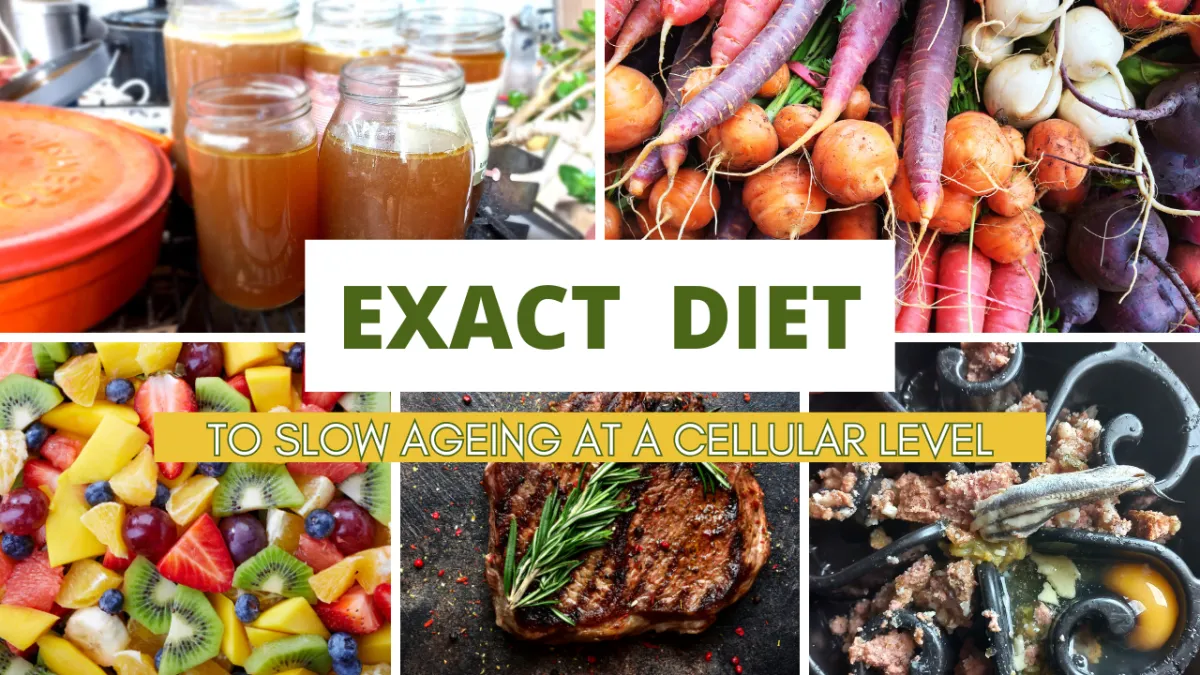
🥩 What to Eat, EXACTLY How Much
Learn exactly how much food, which foods to feed them, and which food-supplements can help them improve both their health span and their lifespan!
Need to feed kibble? Don't worry, we'll show you how to dramatically improve it... for almost no-cost.
Get Your FREE Guide - Click Here

Help! My Dog Won't Eat. How to Get Your Dog to Eat
7 Proven Ways To Get Your Dog to Eat When They’re Not Hungry
🍖What To Do When a Dog Suddenly Refuses Food
When your dog won’t eat, your nerves go straight into overdrive. Is it something serious? Are they just being picky? Should you rush them to the vet or try something at home first?
Here's the truth:
👉 If your dog is refusing food consistently, for more than 24–48 hours, the very first step is a veterinary exam and bloodwork.
Loss of appetite can be linked to:
Kidney disease
Liver problems
Pancreatitis
Infections
Dental pain
GI inflammation
Cancer
This article is ONLY for dogs who have been checked, cleared by the vet, and are otherwise healthy — but still won’t eat.
Maybe they’re bored… maybe they’re spoiled… maybe they’re getting too many snacks.
No matter the reason, here are 7 science-backed tricks to get your dog eating again — including two rarely mentioned that make a huge difference.
🚫 1. Cut the Kibble (Seriously, Toss It Out the Window)
For many dogs, food refusal begins with this simple reality:
👉 They hate kibble.
Not because they're spoiled, but because:
It’s ultra-processed.
It’s low-moisture (only 8–12% water).
It contains oxidized fats, synthetic vitamins, and poor-quality ingredients.
It often tastes terrible to dogs with aging taste buds.
🔥 Nerd Alert 1:
Studies on processed pet food show significant formation of advanced glycation end products (AGEs) during extrusion. These compounds reduce palatability and are linked to inflammation in both dogs and humans.
If your dog regularly refuses kibble, the reason is usually simple:
They don’t want dead, dry pellets anymore.
What To Do Instead
Try:
🍲 Home-cooked food (cheaper than most premium kibble) - yes, this includes RAW feeding, if you prefer raw.
🐟 Tuna or sardine oil
🥣 Homemade bone broth
🥛 Kefir
🥦 Prebiotic veggies
🐟 Plain tuna, chicken, beef, pork, etc.
Even adding these as toppers can jump-start hunger… but homemade is best, especially for older dogs with weak or weakening kidneys:
🧀 2. Stop Over-Snacking (It’s More Common Than You Think)
Most dog parents love giving treats, me included. I've always had dogs of all breeds, but this mix always includes beagles. For anyone who's had a beagle, they know... their beggery is on another level.
Giving treats is absolutely fine — but 10-tiny snacks quickly add up to a mini-meal.
Even “healthy” snacks can destroy appetite, especially in:
🐕 Small dogs
🐶 Senior dogs
😴 Adult dogs who lounge around all day
Now, when it comes to giving treats, the TYPE is important. Many treats are filled with garbage ingredients. Even expensive bits that promise that they're "all natural," are often loaded with wheat, soy, and rice flour.
Sneaky Culprit: Raw Bones
Raw meaty bones aren’t just a chew toy. RAW feeders swear by bones. But, it's important to note that BARF feeders include bone content IN their dog's meal plan.
Bones as a daily or semi-daily treat, however, can disrupt your dog's appetite. They contain:
🧀 Fat
🍖 Protein
🍗 Bone marrow
Meaning: they are a full meal in disguise.
If your dog chews a huge bone at noon, don’t be surprised if they skip dinner. Not all dogs are an endless pit of hunger-needs. Many dogs, especially older dogs and small pups, will not want to eat if their stomach is bloated from eating bones.
Fix the Snacking Problem
✅ Limit treats during the day
✅ Stop free-feeding
✅ Use veggie scraps instead of calorie-dense treats. This can give your dog the mental stimulation of treat time, without loading their system up with what adds up to an extra meal every day.
✅ If you want to include bones in your dog's diet, make sure you factor it into to their overall food needs
Keeping appetite sharp means saving most food for actual meals.

🐕 3. Eat With Your Dog (Short-Term Trick That Works)
This trick is borrowed from caregivers of sick dogs — because it WORKS.
👉 Feed your dog at the same time you eat.
Dogs are extremely social eaters. Smelling your food triggers:
🥕 Ghrelin (the hunger hormone)
😜 Dopamine releases
🐕 Interest in food through pack behaviour and/or competition
It’s not a permanent solution, but it’s great for:
🐕 Dogs recovering from illness
🐕 Picky eaters
🐕 Seniors who need encouragement
Story Time: Adriana and Ghangis
When Adriana turned 18, she started to have appetite issues. Her kidneys were weakening, as is normal for a super senior dog. While she was a beagle, she never had a crazy powerful appetite to begin with. She loved her homemade food, but other than dehydrated duck breasts, she didn't care much about treats.

Don't mind us, we're just eating roasted chicken on the floor.
To get her to eat, I would often sit with her, eat my dinner while hand feeding her, or simply having her eat by my side.
Alone? Wouldn't eat nearly as much as she would with me. This went on for 9-months. I truly believe this simple adjustment not only kept her living longer, but with much less stress for both of us.
Her little big-sister Ghangis was 15 and in stage 4 cancer when her appetite started to fade. We did three things:
Started her on appetite stimulants
Offered her an 'appetizer' of human baby food. This would spark her hunger.
Had her eat with me at meal times. This last point was the most effective. She could go from no interest in food to scarfing down her dinner.
Why?
Pack eating. Competition - her siblings were right by her side, begging their little asses off.
Again, this is a simply adjustment that kept her happy, healthy, and stress-free for a long time.
Bonus
Hand-feeding your dog for a few days can reset eating habits- However, stop once appetite returns so it doesn’t become a long-term dependency.
4. Increase Mental Stimulation (The Overlooked Appetite Trigger)
This one is rarely discussed, but it’s huge:
👉 Bored dogs don’t eat well.
When the brain is understimulated, dogs may experience mild stress or lethargy, leading to lower appetite.
Signs Your Dog May Be Mentally Understimulated
Sleeping excessively
Lack of interest in toys
Eating less
Pacing
Seeming “down” or flat
Solutions
🧩 Puzzle toys
🎾 Short play sessions (this also helped Ghangis. A few minutes with her tennis ball would always signal her brain that it was time to eat)
🚗 A ride in the car
🐾 Sniff walks
🧠 Training games
📦 Scatter feeding

Even a trip down the hallway, down the elevator, or to the mailbox can reset their brain enough to spark hunger.
🔥 Nerd Alert 2:
Mental stimulation increases dopamine and serotonin, both of which positively influence appetite.
5. Improve Gut Health (Long-Term, But Vital)
Gut issues = appetite issues.
If your dog’s microbiome is out of balance, they may develop:
🦠 Low-grade nausea
🤢 Mild constipation
🌪️ Gas
😞 Sluggish digestion
😐 Discomfort after meals
All of these suppress appetite.
Build Gut Health With:
🥛 Kefir
🥛 Greek yogurt
🥣 Bone broth
🥕 Prebiotic veggies (carrots, pumpkin, squash) plus fibres like flax or chia seeds
🌱 Fermented foods
🔬 Probiotic foods
🔥 Nerd Alert 3:
Studies show that dogs with stronger populations of Lactobacillus and Bifidobacterium have significantly improved digestion, motility, and appetite.
Gut health takes weeks to optimise, and then it requires daily effort — but once restored, appetite often returns naturally.
6. Exercise (The Most Ignored Appetite Booster)
Most senior dogs are under-exercised — not because they’re lazy, but because:
Owners assume old dogs don’t want to move
They become stiff from inactivity
They fall into a “couch cycle”
But here’s the truth:
👉 Movement increases the hunger hormone (ghrelin).
Even a little movement can reset appetite.
What Counts as Exercise?
Obviously, if you have a senior who is a bit out of shape, you can start slow with:
10-second walk today
20 seconds tomorrow
A trip to the postebox
A hallway stroll
5 minutes in the yard to explore and play
Light play indoors
Sniffing sessions
Slow, steady walks with frequent stops
If your adult or senior is phisically up for it, go with:
Daily 20 - 45minute walk
Every-other-day walks
Play time with toys, balls, etc
Longer sniff walks
Walking on the beach
Swimming
Running
Hide and seek with objects/toys
Dog park
Going to the store to explore
🔥 Nerd Alert 4:
Exercise improves blood flow to the GI tract, increases gastric motility, and triggers hunger hormones. Even low-intensity movement stimulates appetite.
If Your Dog Has Joint Issues
Use:
⭐ Turmeric or turmeric paste
⭐ High EPA/DHA Omega-3s
⭐ Glucosamine/chondroitin
⭐ Adequan or meds if needed
⭐ Real, homemade dog food (raw, cooked, lightly cooked, etc)
⭐ Homemade bone broths (chicken, pork, fish, beef, wild game, etc)
You can rebuild your dog’s mobility and appetite with consistency.
7. Short-Term Trick: Human Baby Food (Yes, Really)

Baby food can help sick dogs, older dogs, dogs with kidney problems, cancer, etc. It is a short-term solution, but it can be helpful to get your dog to take medications, and stimulate their appetite.
This trick comes from both veterinarians, and parents of human babies:
👉 Baby food can stimulate a dog’s appetite when nothing else works.
Not forever — but for a few days, it can reboot eating.
How To Use It
🍖 Choose meat-based, minimal-ingredient baby food
🍯 Mix 1–2 spoonfuls into their meal
🥔 Or blend baby food + broth + their normal food
🧀 Use baby food only (most dogs will need to eat multiple jars) on days where they NEED to eat - to take meds, etc.
🥩 Slowly transition back to regular meals as your dog recovers. If they have a chronic issue, they may need to incorporate baby food from time to time
Why does it work?
The smell is irresistible
The texture is easy to eat
It triggers appetite through strong olfactory cues
This is NOT long-term, but for post-surgery dogs, dogs coming off illness, dogs with chronic issues who need a boost or need to take meds, it's a life-saver.
FAQ: When Your Dog Won’t Eat
❓ How long can a dog safely go without eating?
Healthy dogs can skip 24 hours, sometimes 48 — but it should never become a pattern. Any longer than this requires a vet check.
❓ What if my senior dog is losing weight because they won’t eat?
Weight loss in seniors is an enormous red flag. It may be:
💪 Muscle wasting
🤕 Kidney disease
🦠 Digestive disease
🦷 Dental pain
🧬 Cancer
🐕 Metabolic issues
Get bloodwork done ASAP. Yes, it is SCARY, but it can mean saving, or extending, your dog's life.
❓ Can baby food be harmful?
It’s safe as long as it does NOT contain:
Onion
Garlic
Spices
Preservatives
Plain meat baby food is safe for short-term use. Most baby foods that are meat, chicken, fish, etc, have limited ingredients, but always check the label.
NEVER USE ANY PRODUCT CONTAINING XYLITOL
❓ Should I warm my dog’s food to make it more appealing?
Yes. Warming food to body temperature increases aroma, which can stimulate appetite significantly.
❓ Why do older dogs lose their appetite?
Normal aging reduces:
❎ Smell sensitivity
❎ Taste sensitivity
❎ Metabolism
❎ Mobility
All of these affect appetite — which is why movement and warm, aromatic food help so much.
❓ Is it normal for dogs to skip meals occasionally?
Yes, some dogs skip a meal now and then.
But repeated skipping = something is wrong.
❓ Should I use appetite stimulants from the vet?
For medical cases, yes.
For otherwise healthy dogs, try the natural methods in this article first.
In cases of kidney disease (CKD), liver issues, cancer, etc. appetite stimulants are often necessary. Stages 3 and 4 of CKD they are almost always necessary.
Final Thoughts
When your dog won’t eat, it’s stressful — but you now have a strategic, science-backed plan.
👉 First, rule out medical causes.
👉 Then apply the seven appetite-boosting strategies:
Cut the kibble
Stop over-snacking
Eat with your dog
Increase mental stimulation
Improve gut health
Exercise daily
Use baby food short-term
Most importantly:
💛 Senior dogs WANT to eat… they just need a little help from us.



Contact
Navigation
Reach out!
©2026 . All Rights Reserved | Privacy Policy