Omega-3 Fatty Acids for Dogs With Cancer: 5 Powerful Benefits (And How to Choose the Right Fish Oil)
Is Fish Oil the Best Supplement for Dogs with Cancer?
If your dog has cancer, your goal probably isn’t just more time — it’s better time.
You want your dog to feel good.
You want them eating, moving, and enjoying life.
One of the most powerful nutritional tools for supporting dogs with cancer is omega-3 fatty acids, particularly EPA and DHA.
These specific fats can help:
Reduce inflammation
Slow tumour progression
Support muscle mass
Improve metabolic health and GUT health
Support cellular cleanup pathways
But there’s a huge problem.
Most fish oil products marketed to pet parents are poor quality — and some are already rancid before they even reach your house.
In this guide we’ll explain:
The 5 biggest benefits of omega-3s for dogs with cancer
Why EPA and DHA matter more than other omega-3s
The fish oil mistakes many dog owners make
The best sources of omega-3s
Let’s start with the basics.
What Are Omega-3 Fatty Acids?
Omega-3 fatty acids are a group of essential fats that play critical roles in inflammation control, metabolism, and cellular health.
For dogs with cancer, the two most important omega-3s are:
EPA (Eicosapentaenoic acid)
DHA (Docosahexaenoic acid)
These are known as long-chain omega-3 fatty acids, and they have the strongest research supporting their clinical benefits.
⚠️ Many supplements instead contain ALA (alpha-linolenic acid) — a plant-based omega-3 found in flaxseed or chia seeds.
The problem?
Dogs convert ALA into EPA and DHA very poorly, making it far less effective.
👉 For cancer support, always choose fish oil with high EPA and DHA levels.
5 Benefits of Omega-3s for Dogs With Cancer
🐟 1. Powerful Inflammation Control
Most cancers create a state of chronic systemic inflammation.
This inflammation can accelerate tumor growth and worsen symptoms.
EPA and DHA help shift the body away from producing pro-inflammatory compounds and toward pro-resolving lipid mediators.
These molecules actively help the body calm inflammation and repair tissue.
🔬Nerd Alert 1
Research has shown omega-3 supplementation can reduce inflammatory markers such as:
C-reactive protein (CRP)
Tumor necrosis factor-alpha (TNF-α)
Lower inflammation can improve overall health and potentially slow cancer progression.
🐕 2. May Help Slow Tumour Growth
In human oncology, chemotherapy often aims to eradicate cancer completely.
But in veterinary oncology — especially for older dogs — the goal is often different:
➡️ Slow tumour growth
➡️ Improve quality of life
➡️ Extend survival time
Omega-3 fatty acids may help support this approach.
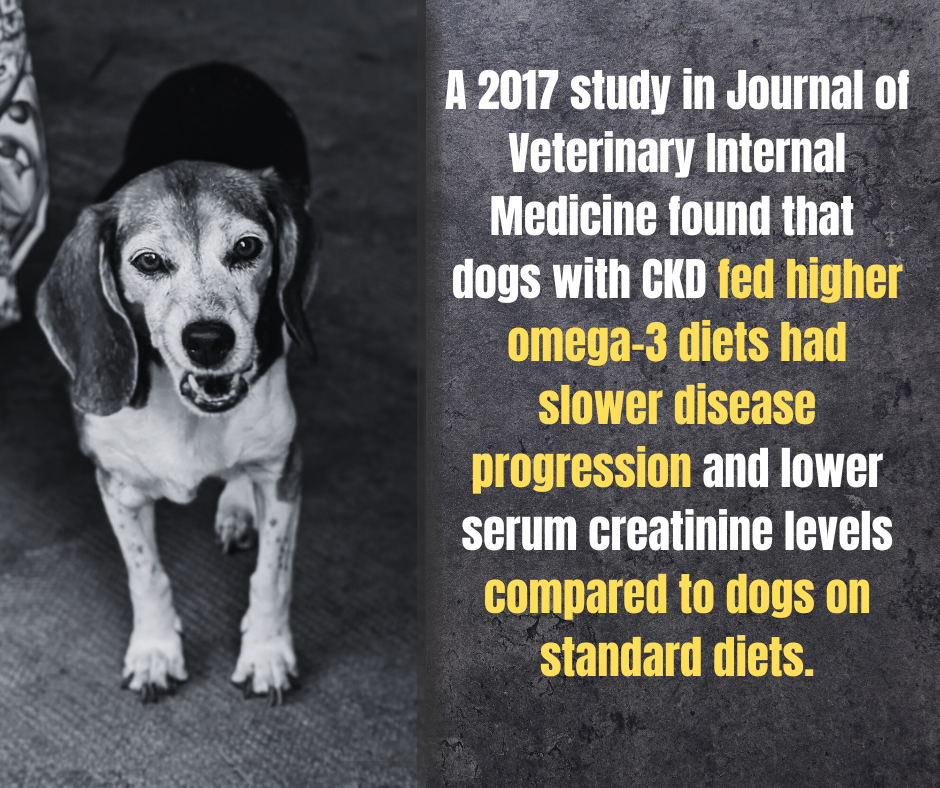
Studies involving dogs with lymphoma have found that higher DHA levels in the bloodstream were associated with longer survival times and longer disease-free intervals.
🔬Nerd Alert 2
A clinical study on dogs with stage III lymphoma found that diets enriched with EPA, DHA, and arginine were associated with improved outcomes.
This suggests omega-3 fatty acids may play a role in supporting traditional cancer therapies.
💪 3. Support Healthy Metabolism
Cancer doesn’t just affect tumours.
It disrupts the entire metabolic system.
Dogs with cancer often experience:
Altered energy metabolism
Increased inflammation
Changes in fat and protein utilisation
Omega-3 fatty acids help regulate many of these pathways and can improve how the body uses nutrients during illness.
Supporting metabolic health is one of the most important strategies in integrative cancer care.
🦴 4. Protect Muscle Mass and Body Weight
One of the most heartbreaking effects of cancer in dogs is cachexia — severe muscle wasting.
Even when dogs eat normally, cancer can trigger metabolic pathways that cause skeletal muscle breakdown.
Maintaining lean muscle mass is critical.
Think of muscle like a retirement account for the body — and dogs with cancer may need to withdraw from that account quickly.
Omega-3 fatty acids may help by:
🐾 Reducing muscle breakdown signals
🐾 Supporting muscle protein synthesis
🐾 Helping maintain body weight
EPA and DHA have been shown to influence pathways such as mTOR, which regulates muscle growth and repair.
🔬 5. May Promote Autophagy and Apoptosis
Now we get into the super-nerdy science.
Omega-3 fatty acids — especially DHA — may help activate two important cellular processes:
Autophagy
Autophagy is the body’s cellular cleanup system.
It helps remove damaged components inside cells and promotes healthier cellular function.
Apoptosis
Apoptosis is programmed cell death.
This process tells damaged or abnormal cells — including cancer cells — that it’s time to shut down.
🔬Nerd Alert 3
Cell studies have shown that DHA can:
Trigger autophagy in cancer cells
Promote apoptosis through cellular stress pathways
Most of this research comes from human or cellular studies, but it helps explain why omega-3s are widely used in supportive cancer care.
Common Fish Oil Mistakes Dog Owners Make
Unfortunately, many omega-3 supplements sold for pets are low quality.
Here are the biggest mistakes to avoid.
⚠️ Mistake #1: Buying Rancid Fish Oil
Fish oil oxidizes easily.
When it becomes rancid, it produces free radicals — the exact opposite of what we want when supporting a dog with cancer.
Many pump bottles of salmon oil marketed for dogs are already oxidized.
What to Look For
✔ Human-grade fish oil
✔ Dark glass bottle
✔ Sealed container
✔ Refrigerated after opening
⚠️ Mistake #2: Not Checking EPA and DHA Levels
Some products advertise “fish oil” but contain very small amounts of active omega-3s.
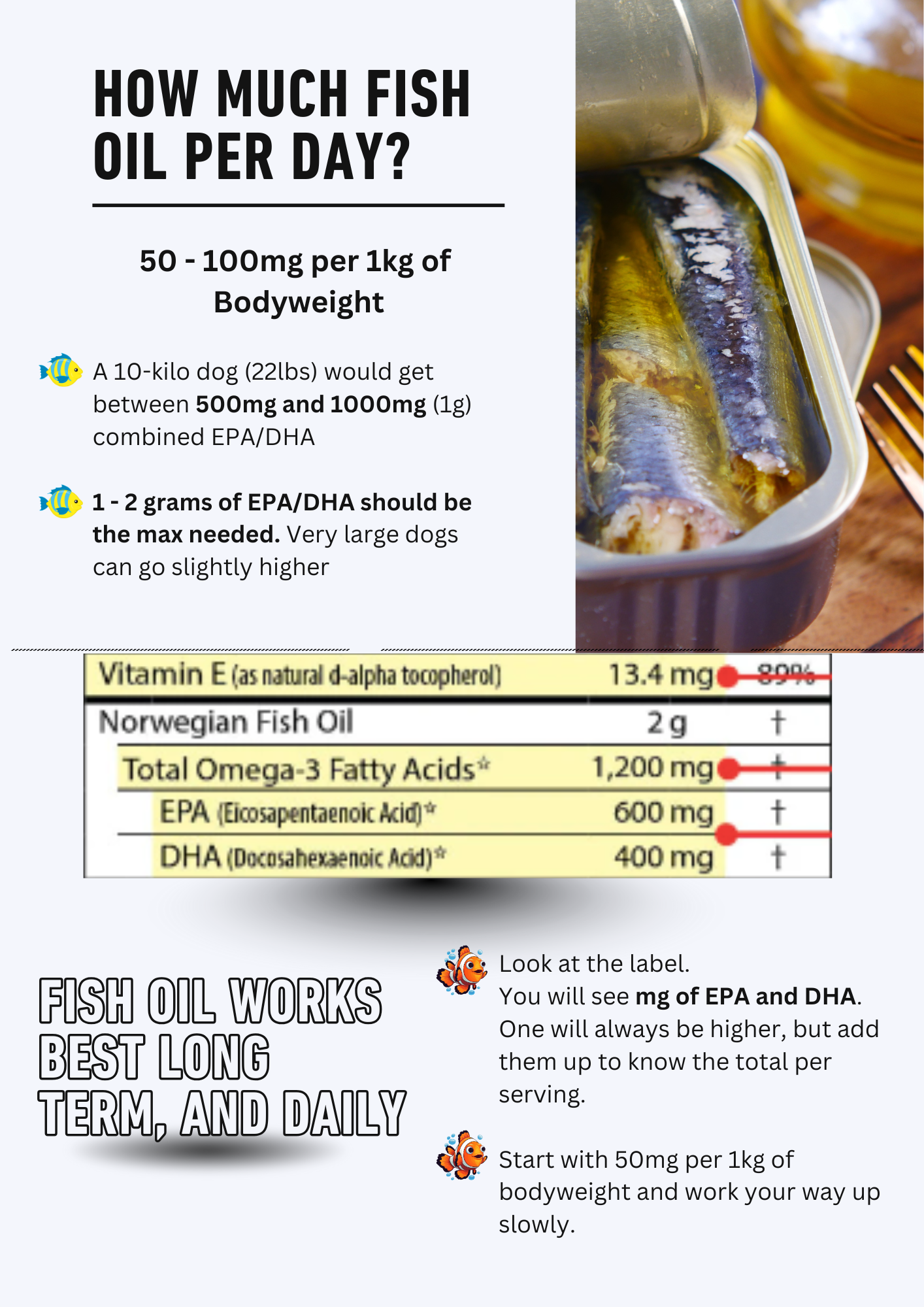
Always check the label.
A good fish oil should provide approximately:
➡️ Around 1 gram of combined EPA + DHA per serving
➡️ If a product requires 2–3 tablespoons to reach this amount, it’s probably low quality.
⚠️ Mistake #3: Using the Wrong Fish Sources
The best omega-3 oils come from small cold-water fish, which accumulate fewer toxins.
Best sources include:
🐟 Sardines
🐟 Anchovies
🐟 Krill
🐟 Small wild fish
These typically provide cleaner, more concentrated EPA and DHA.
⚠️ Mistake #4: Using Cod Liver Oil for Cancer Support
Cod liver oil is often considered a healthy supplement. And usually, it is a great way to get Omega 3s.
However, for dogs with cancer, it may not be ideal.
Cod liver oil is very high in vitamin A, which can put extra stress on the kidneys, particularly in dogs undergoing chemotherapy.
Instead, choose a high EPA/DHA fish oil without added vitamin A.
Best Way to Use Omega-3s for Dogs With Cancer
For most dogs dealing with cancer support, the goal is:
✔ High-quality fish oil
✔ Rich in EPA and DHA
✔ Fresh and properly stored
✔ Combined with a nutrient-dense diet
Omega-3 fatty acids work best as part of a complete supportive strategy, including proper diet, veterinary care, and metabolic support.
FAQ: Omega-3s for Dogs With Cancer
Can omega-3s cure cancer in dogs?
No. Omega-3 fatty acids are not a cure for cancer.
However, they may help reduce inflammation, support metabolism, and improve quality of life when used alongside veterinary treatment.
Side note: nothing "cures" cancer. Even chemo is only a part of the puzzle in treating cancer. If anyone is telling you something cures cancer, they're trying to sell you something of little to no quality.
What type of omega-3 is best for dogs?
The most beneficial omega-3 fatty acids are:
EPA
DHA
These are typically found in fish oil and marine sources.
Are plant-based omega-3s good for dogs?
Plant omega-3s like flaxseed oil contain ALA.
Dogs convert ALA into EPA and DHA very inefficiently, making them less effective for therapeutic purposes.
Should I refrigerate fish oil?
Yes.
Fish oil should always be stored in a cool, dark place, and ideally refrigerated after opening to prevent oxidation.
How much omega-3 should dogs with cancer get?
The optimal dose depends on:
Body weight
Diet
Type of cancer
Veterinary treatment plan
Many therapeutic protocols aim for around 50–100 mg combined EPA+DHA per kg of body weight, but always discuss dosing with your veterinarian.
Final Thoughts
When a dog is diagnosed with cancer, nutrition becomes incredibly important.
High-quality omega-3 fatty acids — particularly EPA and DHA — can play a valuable role in supportive care by:
🐾 Reducing inflammation
🐾 Supporting metabolism
🐾 Protecting muscle mass
🐾 Potentially slowing tumor progression
But the key is choosing the right type of fish oil and avoiding the low-quality supplements that flood the pet market.
If you want help choosing the best omega-3 oils and proper dosing, we’ve created a simple infographic guide to make it easy.
👇 You can download it here:
📚 Research Mentioned •
• Double-blind canine lymphoma study showing higher DHA associated with longer remission and survival
• Research discussing omega-3 modulation of inflammation in pets with cancer
• Mechanistic studies showing DHA influencing AMPK/mTOR pathways (cell model evidence)
• Veterinary references on vitamin A toxicity risk with excessive cod liver oil
• Studies discussing oxidation concerns with omega-3 oils (Always consult your veterinarian before adding supplements, especially during chemotherapy, before surgery, or if your dog is on NSAIDs or steroids.)
🐶 Who This Is For
This video and article are for dog owners whose dogs: Currently have cancer Are undergoing chemotherapy Have inflammatory tumour types Are dealing with cachexia or metabolic stress Want evidence-based adjunct nutritional support
🔁 Related Videos You May Find Helpful • Gut health and cancer survival in dogs • Ketogenic diets for dogs with cancer
• Supplements for dogs on chemotherapy
• Turmeric and polyphenols for inflammation
_______
Doesn't your dog deserve better?
🐶Long Live Your Senior Dog is dedicated to helping you help your senior dog live longer, healthier, happier, and stronger.
All information comes from 20+ years experience, interviews with forward-thinking veterinarians, and from scientific research. https://healthyhomemadedogfood.com
We are all about helping you care for your senior dog. Remember, old dogs don’t have to suffer the problems of ageing!
They CAN feel like puppies again… playful, full of happy energy, and constantly begging you for extra walks 😍🥰
**Long Live Your Senior Dog does not provide medical, nor veterinary advice. All videos, blogs, articles, and other information is for information purposes only. Consult your vet before making any major changes, or decisions, about your dog’s care.

